Choosing notes
How high the shaft should climb
We sort our catalogue by where the knit lands on the leg. A pair starts at the toe pocket and rises through the heel. Where we stop knitting the shaft sets which shoe collar it matches, how the cuff grips, and what stays covered.
The four heights on the machine
A low cut shaft stops under the shoe collar. An ankle shaft clears the bone by a short band. A crew shaft climbs up to land on the calf. A knee high shaft runs straight up the leg to sit below the knee joint. We knit these four lengths because shoes have collars at four different heights. The yarn is set on the cylinders to build tension where the leg narrows and widen where it thickens. When we package these pairs into boxes, the height of the shaft is the first specification on the band.
What low cut shafts answer
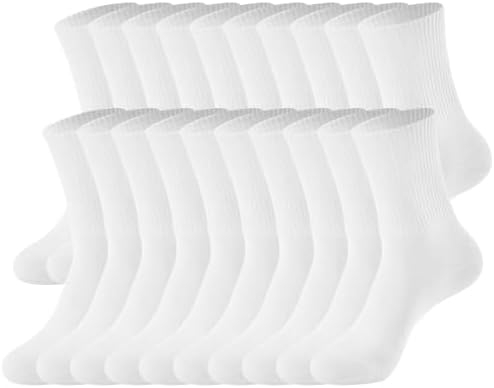
A low cut knit sits inside a sneaker. The top line rests below the eyelets and under the padded collar, so the sock stays hidden while the shoe is tied. We shape the heel pocket deep enough that the short shaft does not slide down under the footbed while you walk. If a low cut shaft is knit too tall, the edge bunches against the shoe collar. If it is knit too short, the heel tab drops into the footbed. We knit the band flat so it holds its line inside low footwear.
Ankle cuffs and crew shafts
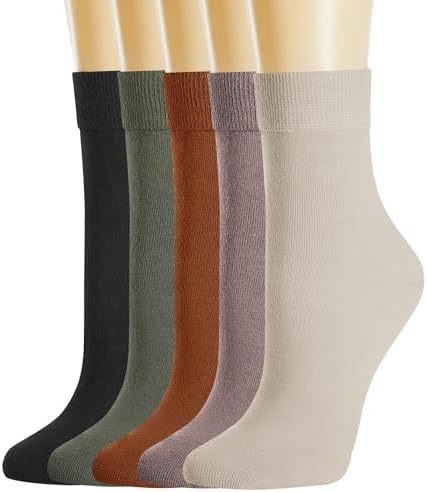
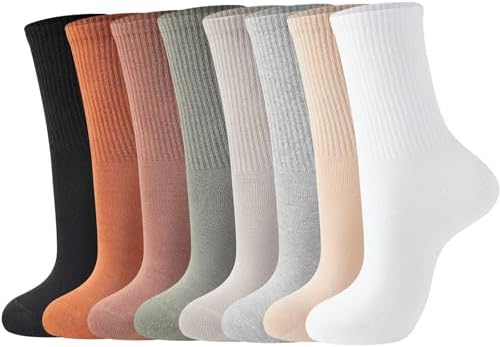
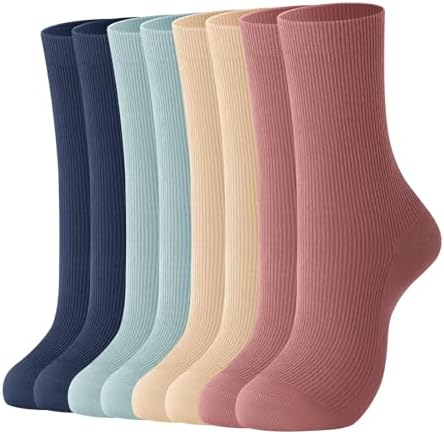
An ankle cuff clears the bone and stops. That short rise protects against the rim of a standard shoe without adding knit up the leg. Above that comes the crew shaft. Our crew knit climbs onto the calf. This height answers mid-cut shoes and standard boots. The knit keeps the boot shaft off bare skin so the leather lining does not rub against the leg. We knit 9 boxes of womens crew and dress pairs in this category, keeping the ribs firm enough to stay up without binding the calf.
Knee high shafts under tall footwear
A knee high shaft runs up the full calf. We knit a wide upper cuff that stays flat below the knee joint. This height is built for tall boots. When a boot shaft reaches high, a shorter sock leaves the upper leg touching the inner boot material. The full knit layer covers the skin from the heel up to the top rim. The gauge stays consistent through the calf, widening gradually toward the upper cuff so the yarn does not pull thin where the leg broadens. It rests flat under stiff leather.
What goes wrong with the wrong height
Picking the wrong shaft height causes mechanical trouble. A shaft that ends exactly at the shoe collar rubs there all day because two edges meet at the same point of friction. A low cut worn inside a tall work boot leaves the leg bare against the stiff boot lining. A tall shaft tucked into a tight low shoe adds extra fabric that bunches around the ankle. Matching the knit height to the footwear collar keeps the fabric flat, stops the cuff from rolling, and keeps the shoe lining off bare skin.
Worth keeping in mind
- Our catalogue holds 29 boxes across 5 sections.
- We knit 9 boxes of womens crew and dress pairs that sit above the ankle bone.
- A low cut shaft stops under the shoe collar and rests inside low shoes.
- A crew shaft climbs up to land on the calf to match boot linings.
- A knee high shaft runs up the leg to sit below the knee joint.
Choosing the right box
Look at the collar of your footwear before picking a box. The sock shaft needs to clear the shoe edge completely or sit entirely below it. We knit every box with matching heights across all pairs so the fit remains identical from one morning to the next.