Studio notes
How we print grip on studio socks
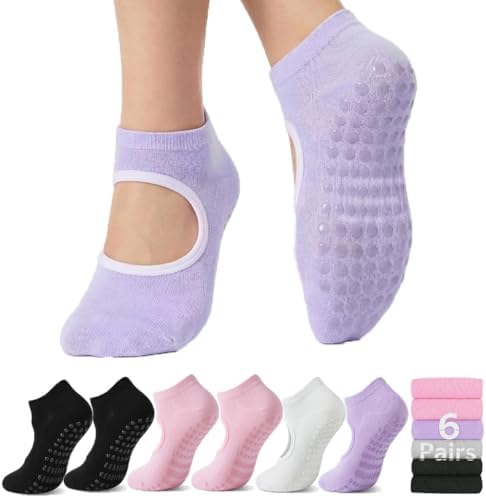
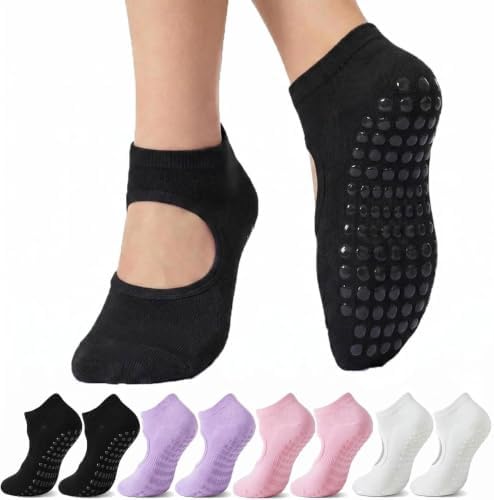
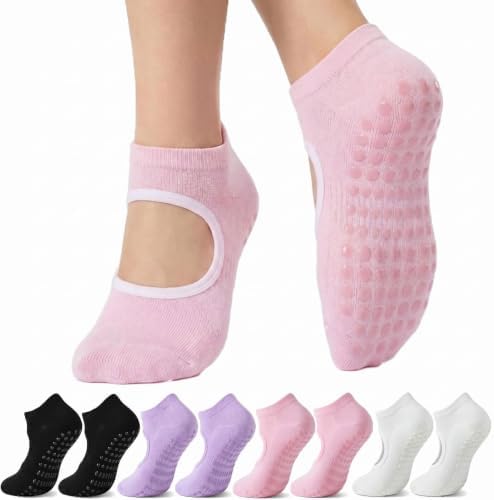
A studio sock needs friction against wood, mats and equipment. We print silicone onto the underside of the knit for three boxes in our line. The pattern of that print determines how the sole grabs the floor under your weight. Here is how to inspect the underside of a pair.
Where the silicone pattern must sit
Turn the sock inside out to check the bottom. A useful grip sole places silicone under the ball of the foot and across the heel pocket. Those are the two zones that take your body weight in a plank or a lunge. Silicone printed only across the arch band looks tidy in the box, but the arch spends most of its time off the floor. We also bring the silicone print slightly up the lateral and medial edges of the footbed. When your foot rolls during a turn or a balance hold, the edge of the sole still makes contact with the mat.
How the dots sit on yarn
Silicone can sit proud of the yarn as a raised bead or press flat into the knit structure. A raised bead bites hard into smooth wood floors. It gives positive traction when you push back against a reformer carriage. A flat print creates broad surface contact instead. It spreads the contact area without lifting your footbed away from the floor. Too much silicone in one thick sheet makes the knit stiff and boardy underfoot. A broken pattern of small dots or bars lets the knit stretch naturally with the foot while holding its shape through movement.
Why studio pairs use a low shaft
Studio socks usually stop right at the ankle bone or sit low around the collar. When you work on a mat or a reformer, a tall leg shaft adds bulk without adding function. The low cut keeps the ankle joint free to articulate through deep bends and point work. Some pairs carry a heel tab at the back collar to keep the knit from sliding down into the heel cup during floor work. We knit the cuff to sit flat against the skin without rolling down. The work happens at the sole, so the knit stays minimal above the collar.
Care rules for printed soles
Silicone requires gentle washing to keep its grip. Hot water stiffens the silicone compound, which makes the print lose its tack and peel away from the yarn base. Wash studio pairs in cold water and use a mesh bag to protect the dots from rubbing against heavy items. Dry them flat on a rack overnight rather than running them through high heat. Once silicone dots crack, crumble or peel off the knit, the grip is gone. Treating the print gently keeps the underside flexible and tacky for many sessions on the studio floor.
The limits of a studio sole
A grip sock belongs on smooth interior surfaces. It works on studio timber, vinyl tiles and yoga mats. It also provides reliable footing across slick kitchen floors at home. But a printed silicone sole was never knit for street shoes. Grit and rough shoe insoles grind down the silicone dots quickly. The extra friction inside a closed shoe also pulls at the knit, twisting the sock out of alignment around your toes. Use your grip pairs on clean indoor floors, and switch to plain soles before stepping into street footwear.
Worth keeping in mind
- Our catalogue holds 29 boxes across 5 sections.
- We knit 3 boxes of non slip pairs for studio floors.
- Silicone is printed onto the underside of the footbed knit.
- A studio sock stops at the ankle bone or collar.
- Cold water protects the silicone dots from stiffening.
Choosing the right studio box
Look at the pattern on the sole before you choose a box. Make sure the print covers the ball of the foot, the heel and the edges of the footbed. Treat the knit to a cold wash in a mesh bag so the silicone stays flexible season after season.